🚚 Free Worldwide Shipping on All Orders!Shop Now

HomeStore

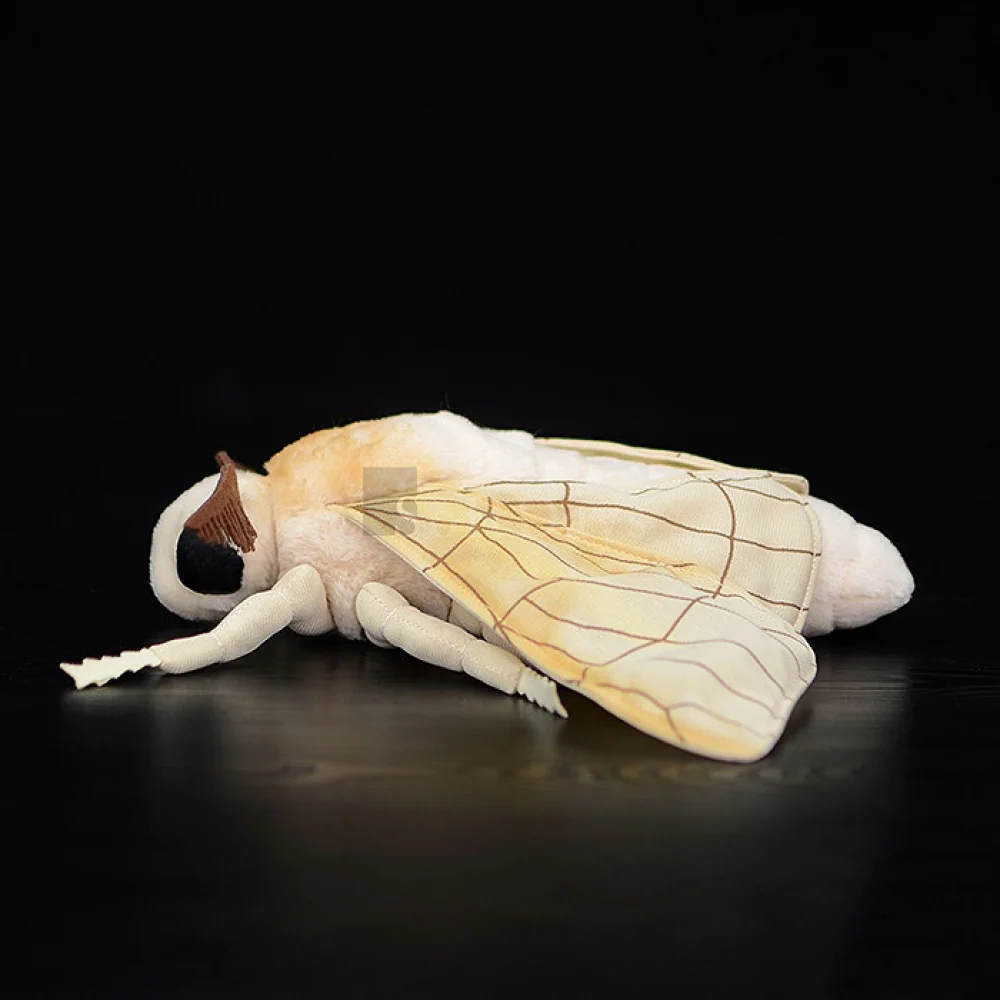
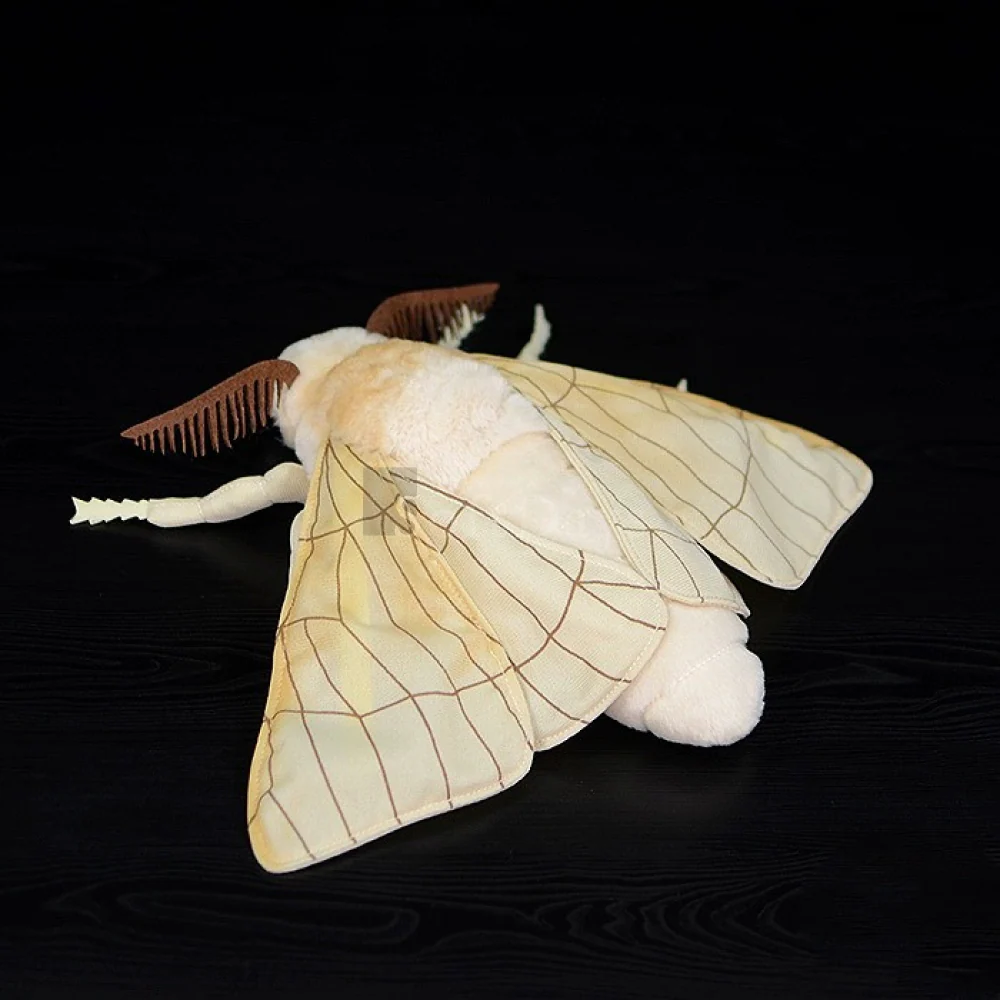
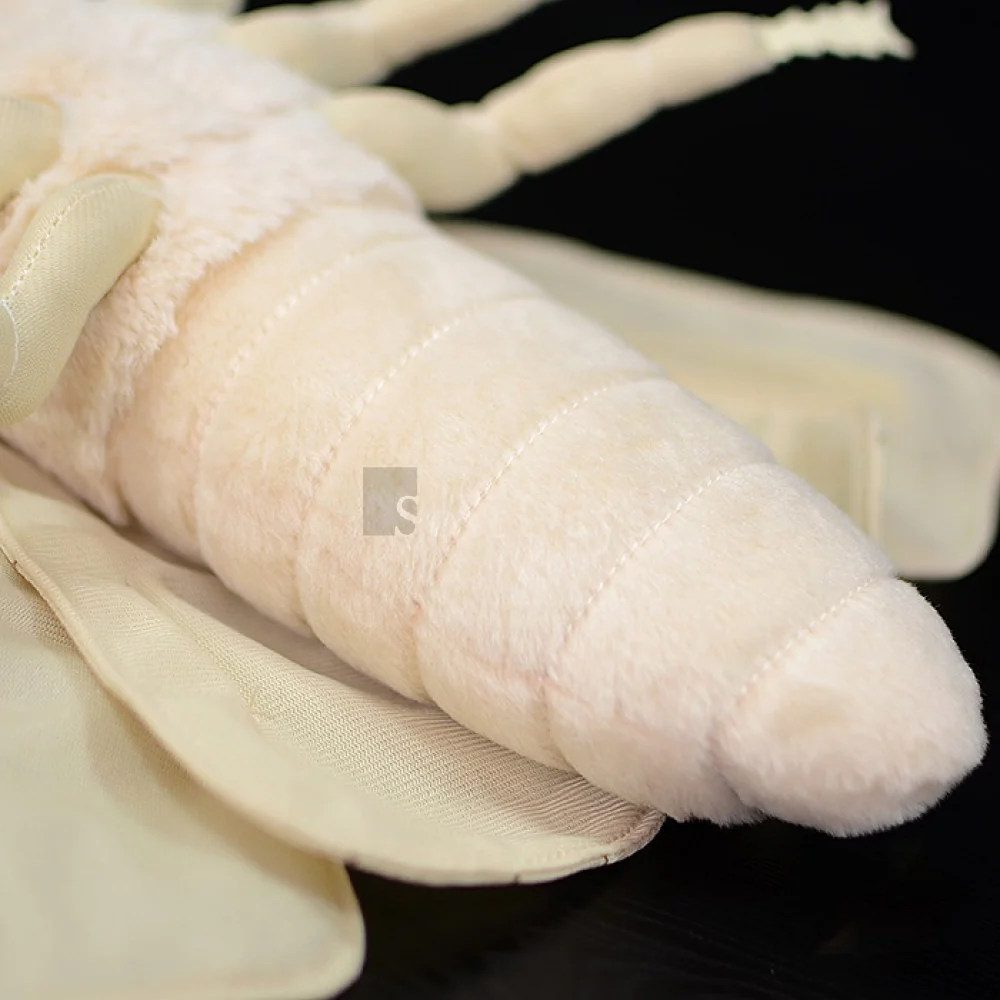
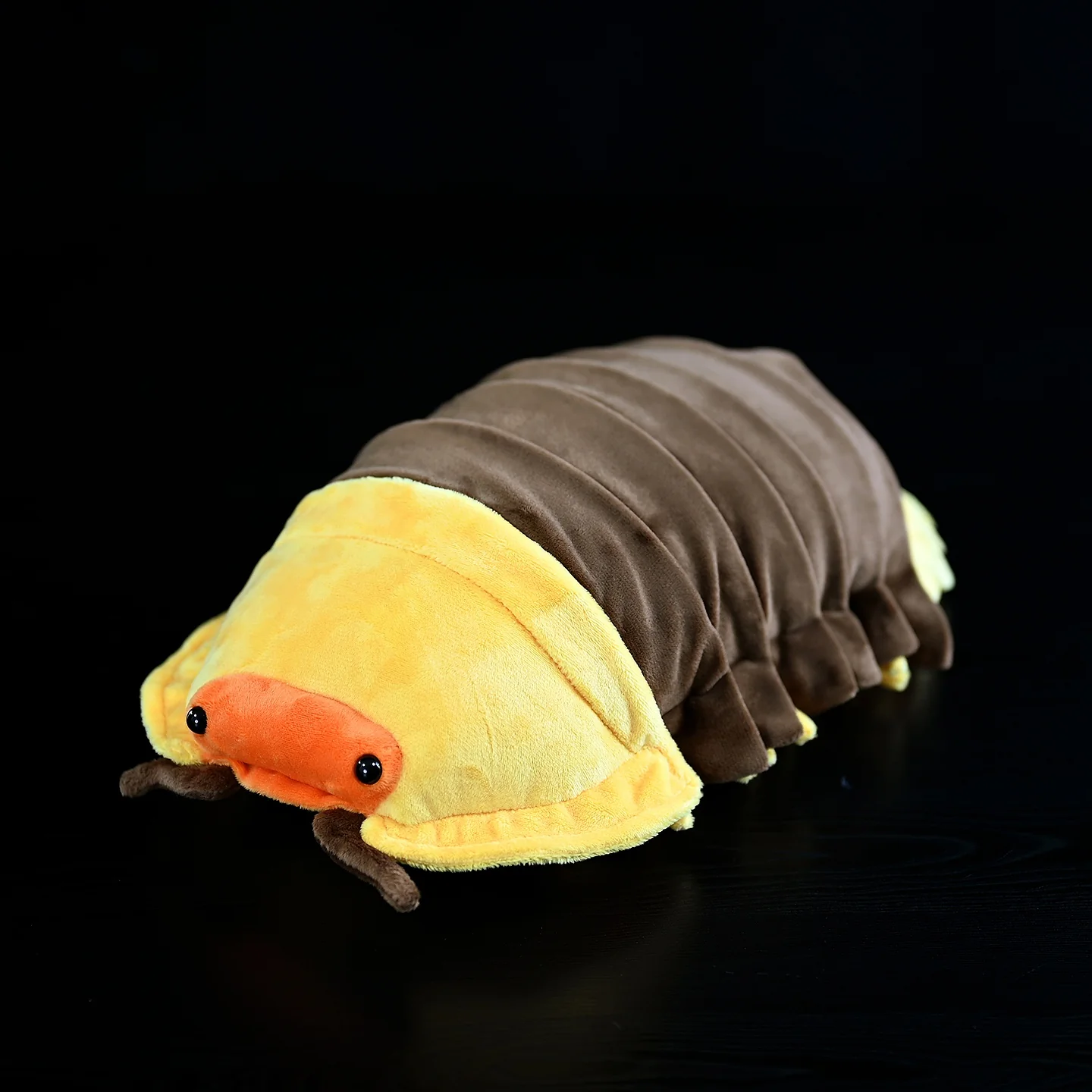
Silk Moth Plush – Soft and Realistic Stuffed Insect for Nature Enthusiasts & Collectors

Product image 1
Product image 2
Product image 3
Product image 4
Product image 5
Product image 6
Product image 7
Product image 8

Silk Moth Plush – Soft and Realistic Stuffed Insect for Nature Enthusiasts & Collectors

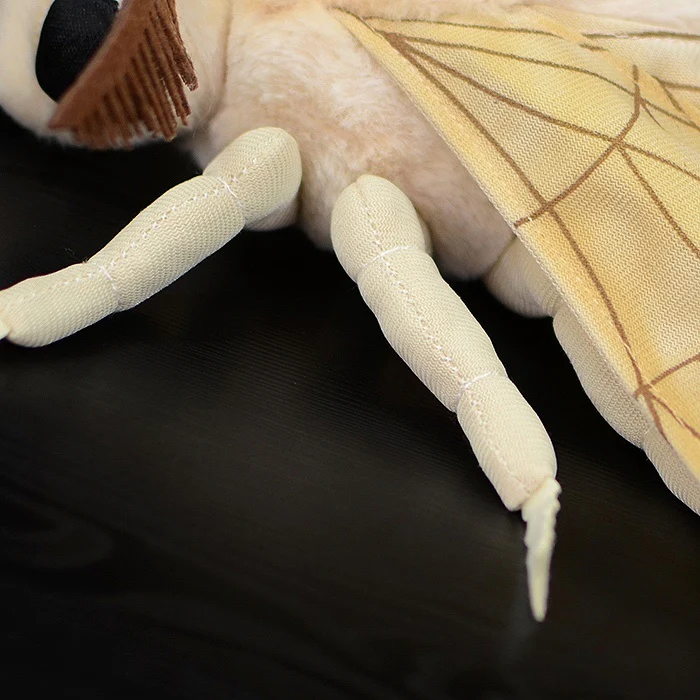
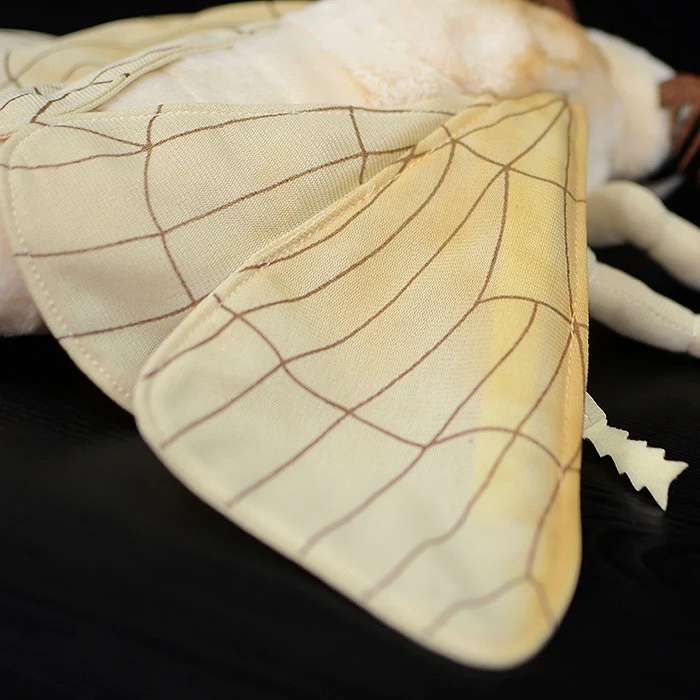
Embrace the beauty of nature with this lifelike silk moth plush by SoftDaysLab! Featuring soft fabrics, detailed wings, and realistic antennae, it’s a perfect gift for kids, insect enthusiasts, or as eye-catching decor. A unique and cuddly must-have for nature fans!

Animal Facts:

Domestic Silk Moth: Nature's Silk Weaver

The domestic silk moth (Bombyx mori) is a fascinating moth species renowned for its role in silk production. Domesticated over 5,000 years ago in China, this species depends entirely on humans for survival, as it can no longer fly or live in the wild.

Its larvae, known as silkworms, feed on mulberry leaves and spin cocoons made of silk threads up to 900 meters long! The moth's lifecycle is tightly woven into the practice of sericulture, which produces millions of kilograms of raw silk annually.

Fun fact: The silkworm's domestication has made it leucistic (lacking natural pigmentation), and its cocoon-spinning process has inspired advancements in biotechnology, including silk-based medical implants and even space food research!

$32.29
Silk Moth Plush – Soft and Realistic Stuffed Insect for Nature Enthusiasts & Collectors
$32.29

Product Information

Shipping & Returns

Description

Embrace the beauty of nature with this lifelike silk moth plush by SoftDaysLab! Featuring soft fabrics, detailed wings, and realistic antennae, it’s a perfect gift for kids, insect enthusiasts, or as eye-catching decor. A unique and cuddly must-have for nature fans!

Animal Facts:

Domestic Silk Moth: Nature's Silk Weaver

The domestic silk moth (Bombyx mori) is a fascinating moth species renowned for its role in silk production. Domesticated over 5,000 years ago in China, this species depends entirely on humans for survival, as it can no longer fly or live in the wild.

Its larvae, known as silkworms, feed on mulberry leaves and spin cocoons made of silk threads up to 900 meters long! The moth's lifecycle is tightly woven into the practice of sericulture, which produces millions of kilograms of raw silk annually.

Fun fact: The silkworm's domestication has made it leucistic (lacking natural pigmentation), and its cocoon-spinning process has inspired advancements in biotechnology, including silk-based medical implants and even space food research!